
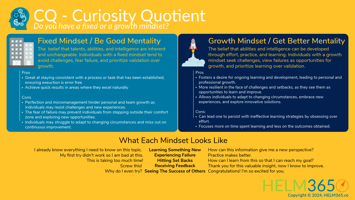
Curiosity is a hallmark of effective leadership because it drives leaders to continually improve...
What is an LOS?
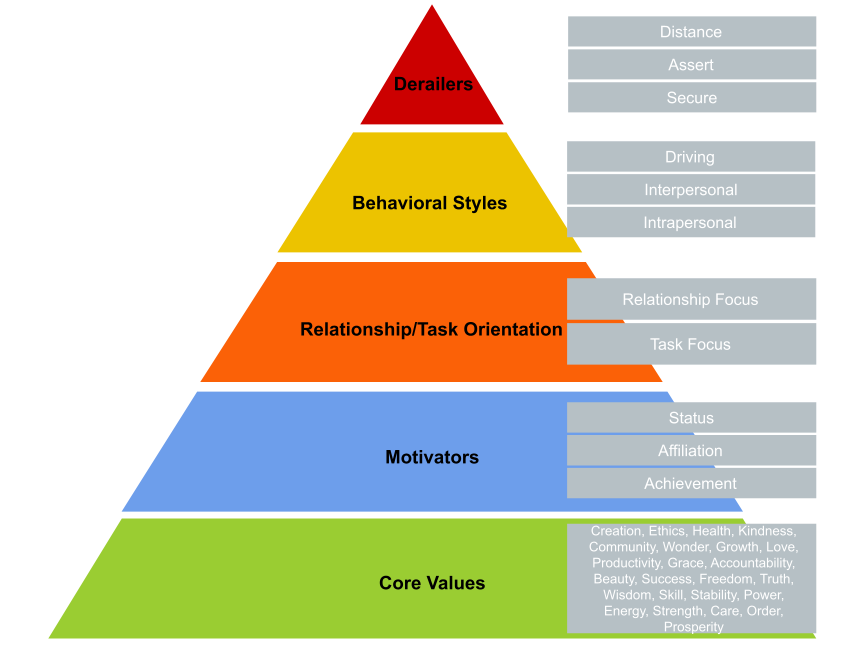
A leadership operating system (LOS) is a leader’s control center for their leadership approach. Just as a computer’s OS governs hardware, software, and user interactions, a leader's LOS acts as a leader’s gps, guiding how they solve problems, make decisions, communicate with their team, collaborate, handle challenges, and achieve critical objectives. Over the course of your cohort's 6 month journey, you will be mapping your personal LOS to support you in gaining critical leadership development insights into your values, motivators, behavioral strengths, and behavioral derailers, and how they influence your leadership style.
Why is an LOS important?
When leaders have a strong LOS, it enables them to stay true to their principles, while navigating the complexities of leadership with clarity, efficiency, and a coherent approach to achieving critical organizational goals. Run unconsciously, LOS's experiences system crashes, run consciously, it enhances leadership effectiveness, and contributes to creating a positive and impactful leadership experience for the leader and those they lead. For leaders the insights an LOS provides increases their:
- Self-Awareness & Self-Management Leaders gain a profound understanding of their core values, strengths, and derailers and how these impact their leadership behaviors. This improved awareness serves as a compass, guiding leaders to make aligned decisions, and lead more authentically.
- Empowerment and Confidence Self-awareness and self management enable leaders to develop confidence in their abilities, enabling them to lead with conviction and purpose.
- Adaptability and Resilience Leaders gain insights and tools that enable them to remain grounded in their values, improving adaptability and resilience when faced with navigating uncertainties and challenges.
- Start: This category involves identifying new actions, behaviors, or initiatives that one can begin implementing. It encourages the introduction of positive changes or new approaches that can enhance performance, productivity, or personal/professional growth.
- Stop: In this category, participants are invited to consider habits, behaviors, or practices that are ineffective, counterproductive, or hindering progress. It encourages the cessation of actions that do not contribute positively to achieving goals or that create obstacles.
- Continue: Here, participants recognize and reaffirm actions, behaviors, or strategies that have been successful and beneficial. It encourages the continuation of positive practices, behaviors, or approaches that contribute to success or desired outcomes.