

Deliver feedback in a way that is constructive, specific, and supportive of the growth and...
Leadership is not just about delegating tasks and overseeing their completion; it's about inspiring and motivating a team to achieve shared goals and objectives. This skill is critical for leaders who want to build a high-performing, engaged, and committed team. It boosts morale, fosters creativity, increases loyalty, promotes collaboration, and ultimately helps achieve shared goals and objectives.
Managers who are skilled at inspiring and motivating their team:
- Leveraging Motivation To Driving Action: Motivation is the driving force that propels individuals towards setting and achieving their goals. Managers who are skilled at motivating their team do so by tapping into the unique motivators of each individual to drive action that feels meaningful and authentic to each person.
- Boost Morale: Leaders who inspire and motivate their team can boost morale and create a positive work environment. A motivated team is more likely to be productive, engaged, and committed to their work, resulting in better performance and higher job satisfaction.
- Foster Creativity: A motivated team is more likely to be creative and innovative in their approach to problem-solving. Leaders who inspire their team can help unlock their creativity by encouraging them to think outside the box and take calculated risks.
- Increase Loyalty: When leaders take the time to motivate and inspire their team, it can lead to increased loyalty and commitment. Employees are more likely to stay with a company where they feel valued, appreciated, and motivated to succeed.
- Promote Collaboration: Inspiring and motivating a team can also promote collaboration and teamwork. A motivated team is likelier to collaborate and share ideas, leading to better results and outcomes.
- Achieve Goals: A motivated team is more likely to achieve the goals and objectives the leader sets. Leaders who inspire and motivate their team can help them stay focused on the end goal, overcome obstacles, and work together to achieve success.
To become a manager who is skilled in inspiring and motiving others, you will need to work on the following areas:
- Transparency: Leaders who are transparent and open with their team can build trust and create a culture of honesty and authenticity. Communicating openly about the company's goals, challenges, and successes can help the team understand their role and feel more invested in the company's mission.
- Active Listening: Active listening is critical to effective communication. Leaders who actively listen to their team can gain valuable insights and ideas, make their team feel heard and valued, and create a culture of collaboration and curiosity.
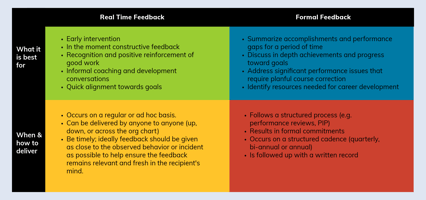
- Providing Feedback: Feedback is essential for growth and development. Leaders who provide regular feedback to their team can help them identify their strengths and weaknesses and provide support and guidance to improve their performance.
- Embracing Curiosity: Leaders who embrace curiosity and encourage their team to ask questions and explore new ideas can create a continuous learning and improvement culture. Encouraging curiosity can help the team identify new opportunities, solve problems creatively, and stay ahead of the competition.
- Leading by Example: Leaders who lead by example can inspire and motivate their team to perform at their best. Communicating clearly, listening actively, providing feedback, and embracing curiosity are all essential communication skills that leaders can model for their teams.
Reflect to Upskill
Take a few moments to reflect on the following questions to audit how you are currently motivating and inspiring your team:
- How skilled am I at recognizing the unique motivators of team members, and how can I bridge the working gap? Unsure? Read over this guide to improving how you recognize needs and motivate others.
- Do I tend to focus more on telling (pushing) my team or engaging (pulling) my team? How does this approach impact their performance and engagement? Need to create an environment where team members feel listened to, valued, and empowered. Read over this guide on improving how to listen effectively.
- How do I balance the need to push team members to achieve results while creating a supportive and motivating environment? Are there any adjustments I can make to strike a better balance?
- Do I actively seek feedback from my team members? Am I open to receiving feedback and using it to improve my leadership approach?
- How well do I adapt my leadership style to different individuals and situations? Are there any areas where I need to be more flexible or adaptive?
- What steps can I take to create a culture of continuous improvement, where both pushing and pulling are encouraged, and team members feel empowered to take risks and innovate?
What do you need to start, stop, or modify to improve how you motivate others?