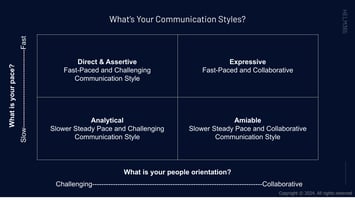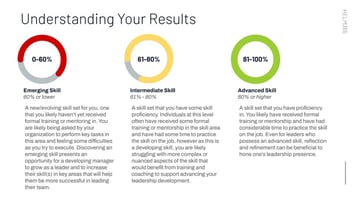


Strong personal and professional development is guided by a big picture vision of what you want to...
When it comes to how we act at work, we all have traits. Traits are habits, thought patterns, and emotions. And a given trait produces a drive to have certain things. These drives create needs, and these needs motivate us to behave in a way that satisfies the associated needs. Consider what happens when you’re hungry: you find something to eat. Your survival drive creates a hunger need and, thus, the logical behavior of ordering a sandwich from your favorite sub shop. The following pages will walk you through interpreting your Predictive Index (PI) behavioral profile so that you can gain greater insight into your own behavioral drives and how they impact how you show up in the workplace.
Understanding What Drives Behaviors
Your behaviors, shaped by your core behavioral drives, influence how you handle challenges, collaborate with others, approach work, and solve problems. Understanding these behaviors is crucial, as they impact your ability to achieve your goals and work effectively with others. The PI report provides a detailed analysis of your strengths, areas for development, and workplace fit, helping you better understand how your natural tendencies affect your working style.
Use this resource to:
- Gain valuable insights into your behavioral patterns and how they influence your working style.
- Uncover how your behavioral tendencies shape your performance.
- Identify strengths and opportunities for growth to enhance your effectiveness.
If you have any questions or need further assistance, please feel free to reach out to me at rachsebellshavit@helm365.co.
The Four Predictive Index Factors
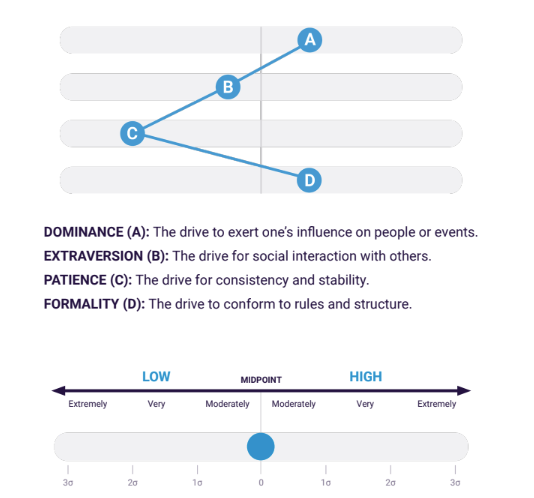
PI has been conducting behavioral assessments for over 65 years. Since the very beginning, PI has quantified people’s behavioral drives in the workplace in four areas that give enormous insight into how someone will behave at work. These are called the Four Factors. Here are the four factors and how they are defined:
Understanding The Continuums Of Expression
As measurements of each drive move farther away from the Midpoint—higher or lower—the associated needs and behaviors tend to become stronger or more forcefully expressed. The continuum intentionally uses strong language at the far left and far right positions to illustrate greater expression and emphasis as each drive moves farther from the Midpoint.
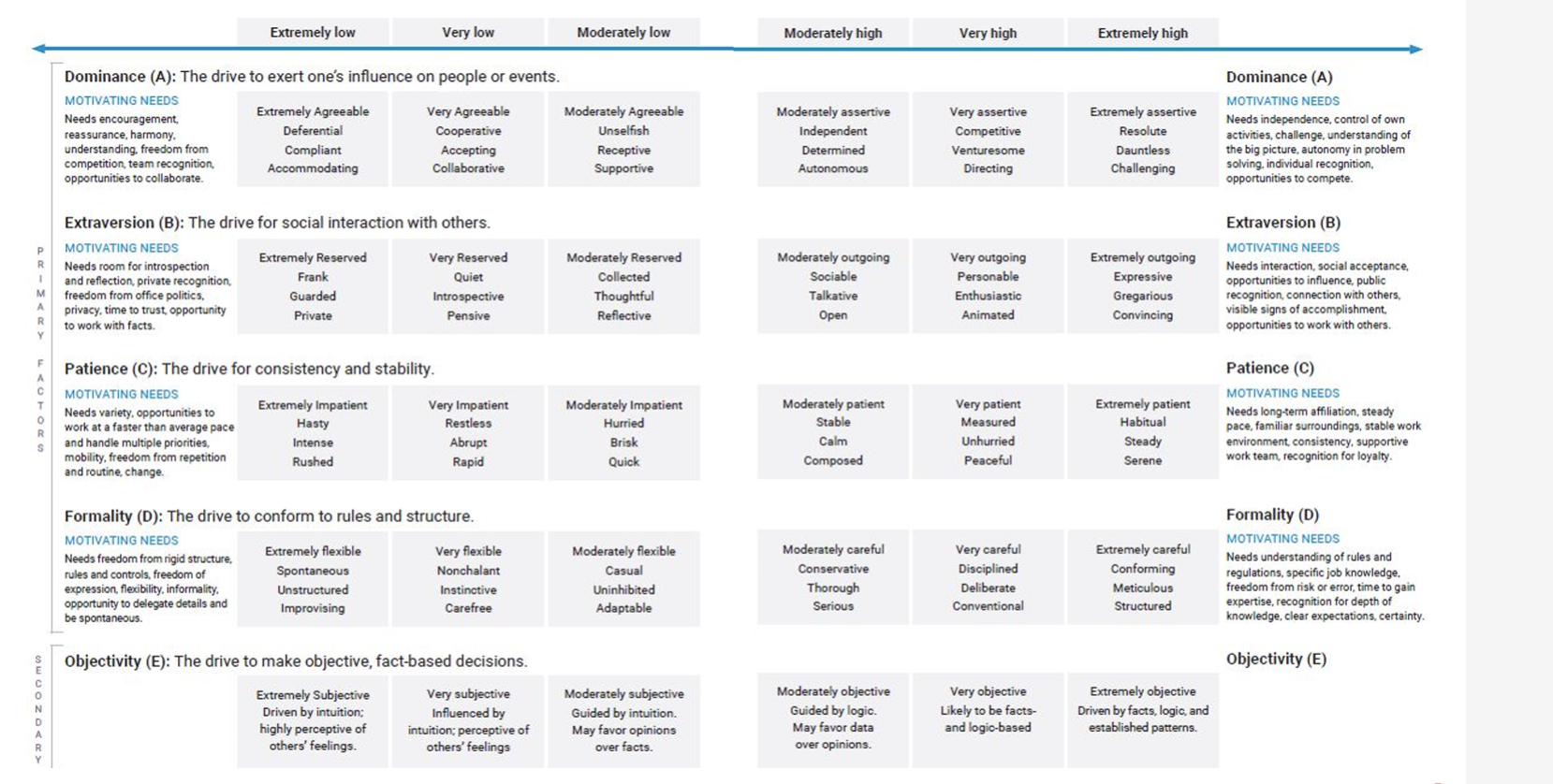
Click here to see the pdf image at full size
Understanding Drivers and Needs
When it comes to how we act at work, we all have traits. Traits are habits, thought patterns, and emotions. And a given trait produces a drive to have certain things. These drives create needs, and these needs motivate us to behave in a way that satisfies the associated needs. HELM365 has designed this coaching program to support you in better understanding your drives and needs and how they contribute to the behaviors that others experience. Over the course of this coaching program, we will be using these insights to help you reach your personal and professional goals. Let’s dive in!- Get clear on your motivating needs: Your PI report tells you your behavioral factor patterns and if each factor is considered "Low,” “Situational,” or “High.” Take a look at the PI Continuums of Expression Chart above and read over what it has to tell you about your motivating needs that are associated with each of your four factors.
- Get clear on how others experience your behaviors: The PI Continuums of Expression Chart provides details on each of your factor's intensity levels, including whether your behavioral profiles are considered moderate, very, or extreme and how others experience the behaviors that result from these intensity levels. Please review your profile and note your intensity level and the typical behaviors others can expect from you.
What Happens When Factors Combine?
The interaction between two Primary Factors is known as a Factor Combination. The wider the spread between the two Factors in the combination, the stronger the expression of the relationship in the person’s behavior. Combinations that cross the pattern’s Midpoint are typically the most pronounced and will result in a much stronger expression of the relationship between the two Factors. Here's a visual overview of the different impact factor combinations have on behavioral styles.
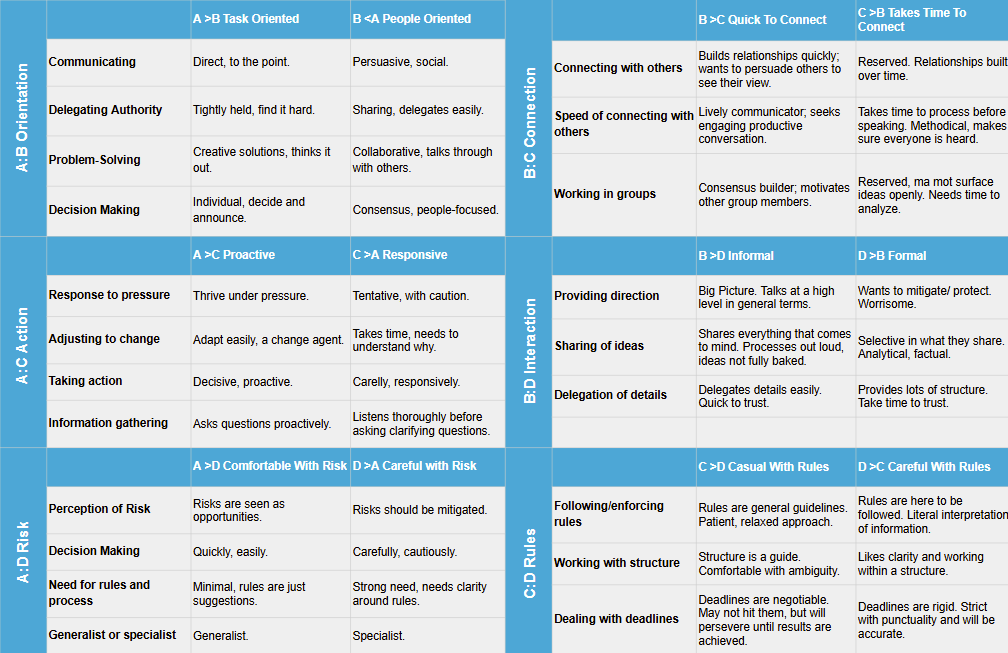
As you use this resource to understand your behavioral drives, enhance workplace effectiveness, and achieve personal and professional goals, please don't hesitate to reach out to rachsebellshavit@helm365.co if you have any questions.